Fridge Not Cooling? 7 Things to Check Before You Call a Pro
Your fridge is humming along, but the milk is warm and the freezer ice cream is soft. Don’t panic, and don’t go shopping for a new refrigerator yet. A lot of fridge cooling problems come down to a simple fix, and even the ones that need a technician usually cost far less than a new refrigerator.
Here’s what to check first when your fridge is not cooling.
Check the temperature setting
It sounds obvious, but settings get bumped all the time, especially when you’re loading groceries. The fridge should be around 37°F and the freezer at 0°F. If the dial or display got turned down, set it back and give it 24 hours.
2. Make sure the vents aren’t blocked
Cold air moves from the freezer into the fridge through small vents. If a gallon of milk or a stack of containers is pushed against them, the fridge side warms up fast. Leave a few inches of space around the vents.
3. Clean the condenser coils
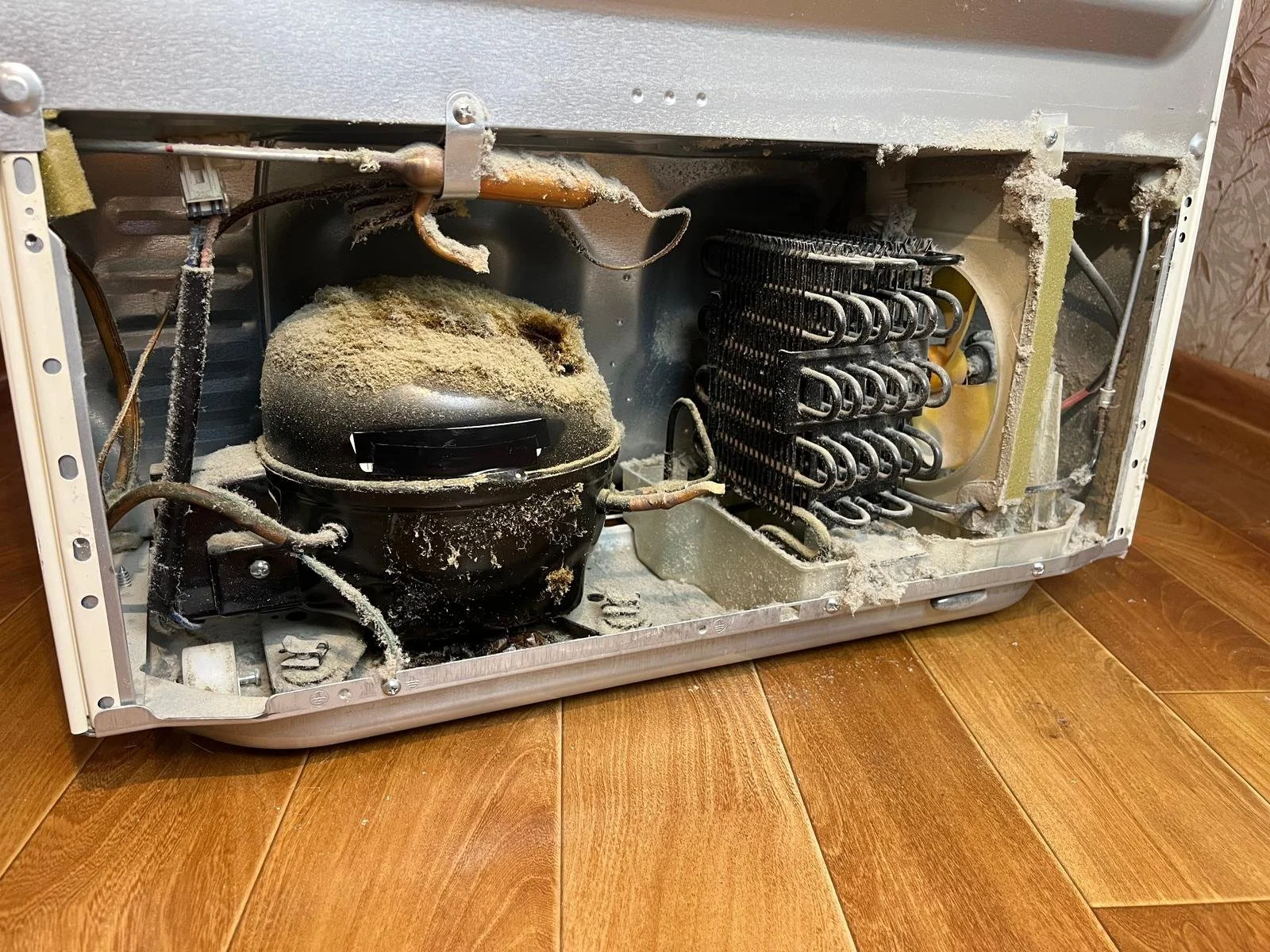
The condenser coils under or behind your fridge release heat. When they’re covered in dust and pet hair (and in West Texas, they get dusty fast), the fridge has to work harder and can stop cooling properly. Unplug the fridge, pull off the bottom grille, and vacuum the coils. Doing this once or twice a year helps the fridge last longer.
4. Test the door seals
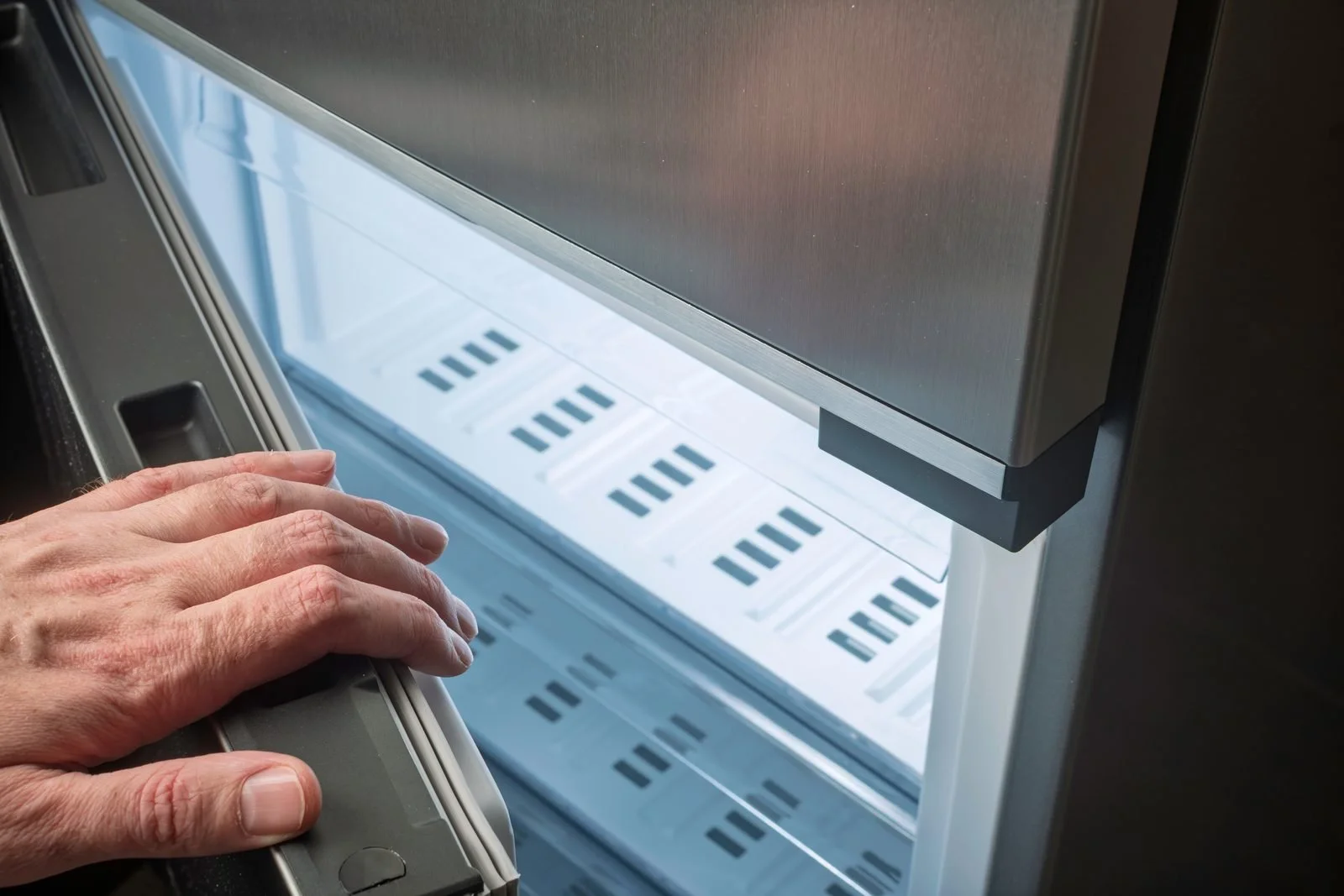
Close the door on a dollar bill. If it slides out easily, the door gasket isn’t sealing and warm air is getting in. Wipe the seal with warm soapy water first. If it’s torn or flattened, it needs to be replaced. If you’re doing the job yourself, our appliance parts center can help you find the right gasket for your model.
5. Listen to the fans
With the door open, press the door switch and listen. You should hear the evaporator fan inside the freezer. Also check the condenser fan near the back bottom. If either fan is silent or grinding, cold air isn’t moving the way it should.
6. Look for frost buildup
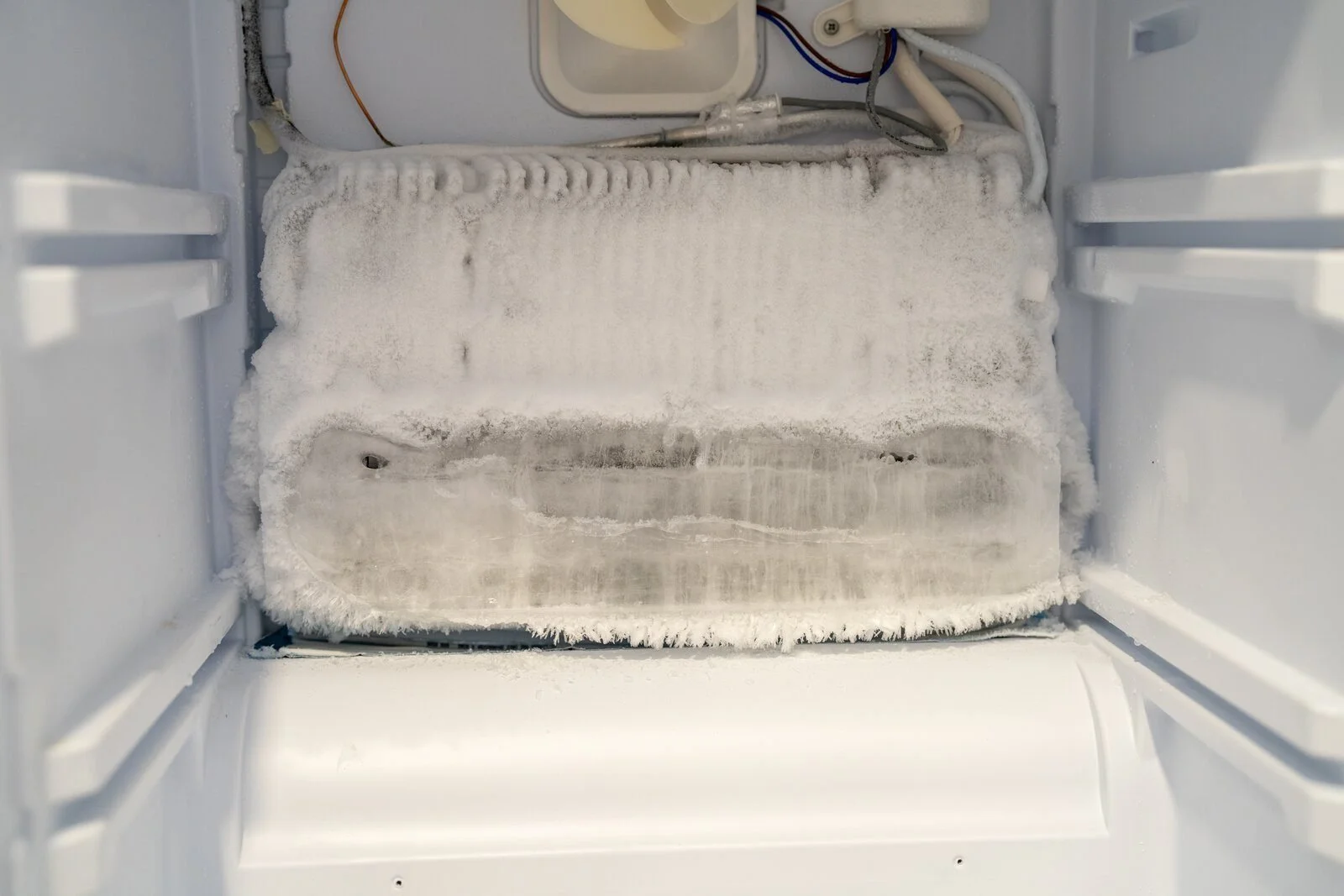
A thick layer of frost on the freezer’s back wall usually means the defrost system has failed. The frost blocks airflow, so the freezer may feel cold while the fridge side warms up. This is one of the most common refrigerator repairs we do.
7. Give it room to breathe
A fridge pushed tight against the wall or boxed into a cabinet can overheat. It needs a little airflow around the sides and back to get rid of heat.
When to call a pro
Call a technician if you’ve checked all of the above and the fridge still isn’t cooling, or if you notice any of these:
The compressor clicks on and off but the fridge never gets cold
The fridge is completely silent
Water is leaking onto the floor
There’s a burning smell or loud, new noises
Food is spoiling within a day or two
Waiting usually makes it worse. You lose groceries, and a small part failure can put extra strain on the compressor.
Local fridge repair in Midland and Odessa
All American Appliance Service handles fridge repair in Midland and Odessa, TX, for refrigerators and freezers from most major brands. We’ll diagnose the problem, give you a clear estimate before any work starts, and tell you honestly whether it’s worth repairing.
Call (432) 559-9465 to book a repair. We’re open Monday through Friday, 8am to 6pm.
Frequently asked questions
Why is my fridge running but not cold?
The most common reasons are dusty condenser coils, blocked vents, a failed evaporator or condenser fan, or a defrost problem that has iced over the evaporator coil. Start with the checks above. If the fridge runs constantly and still won’t get cold, or the compressor clicks on and off, it’s time for a technician to diagnose it.
How much does fridge repair cost in Midland and Odessa?
It depends on what’s wrong and which part is needed. A cooling problem can be anything from a fan motor to a defrost part to a sealed-system issue. We diagnose it first and give you a clear estimate before any work starts, so you can decide whether to go ahead.
Is it worth repairing an older fridge?
Often, yes. Many common repairs, like a door gasket, a fan motor, or a defrost part, cost far less than a new refrigerator. It may not be worth it if an older fridge needs a major repair such as a compressor or sealed-system job, or if it has had repeated problems. We’ll look at the age, the condition, and the repair cost, and tell you honestly which way we’d go.